Bird Research

Wondering how healthy a piece of land is? Look to the birds. You can tell a lot about the health of the forests by studying the birds within it.

01.

Who’s here?

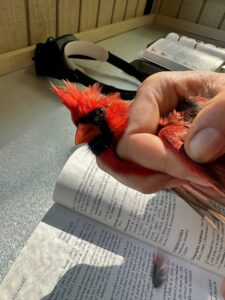
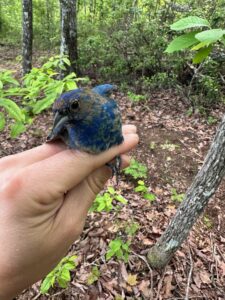
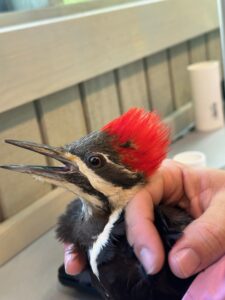
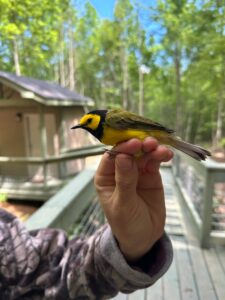
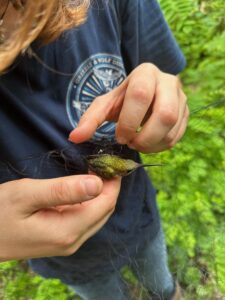
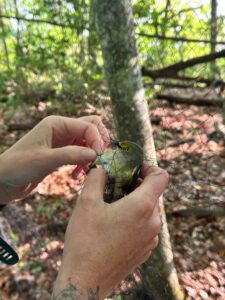
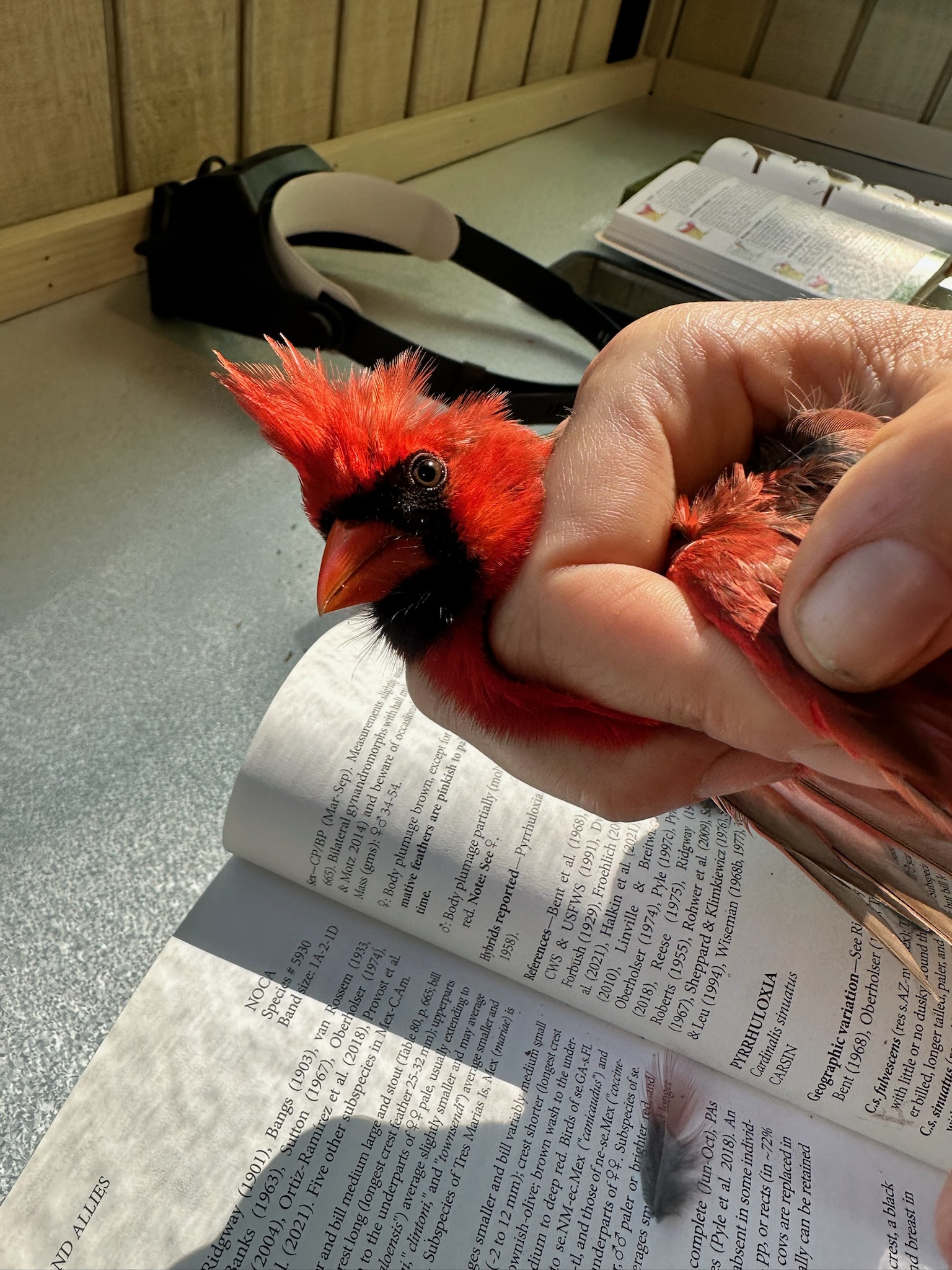
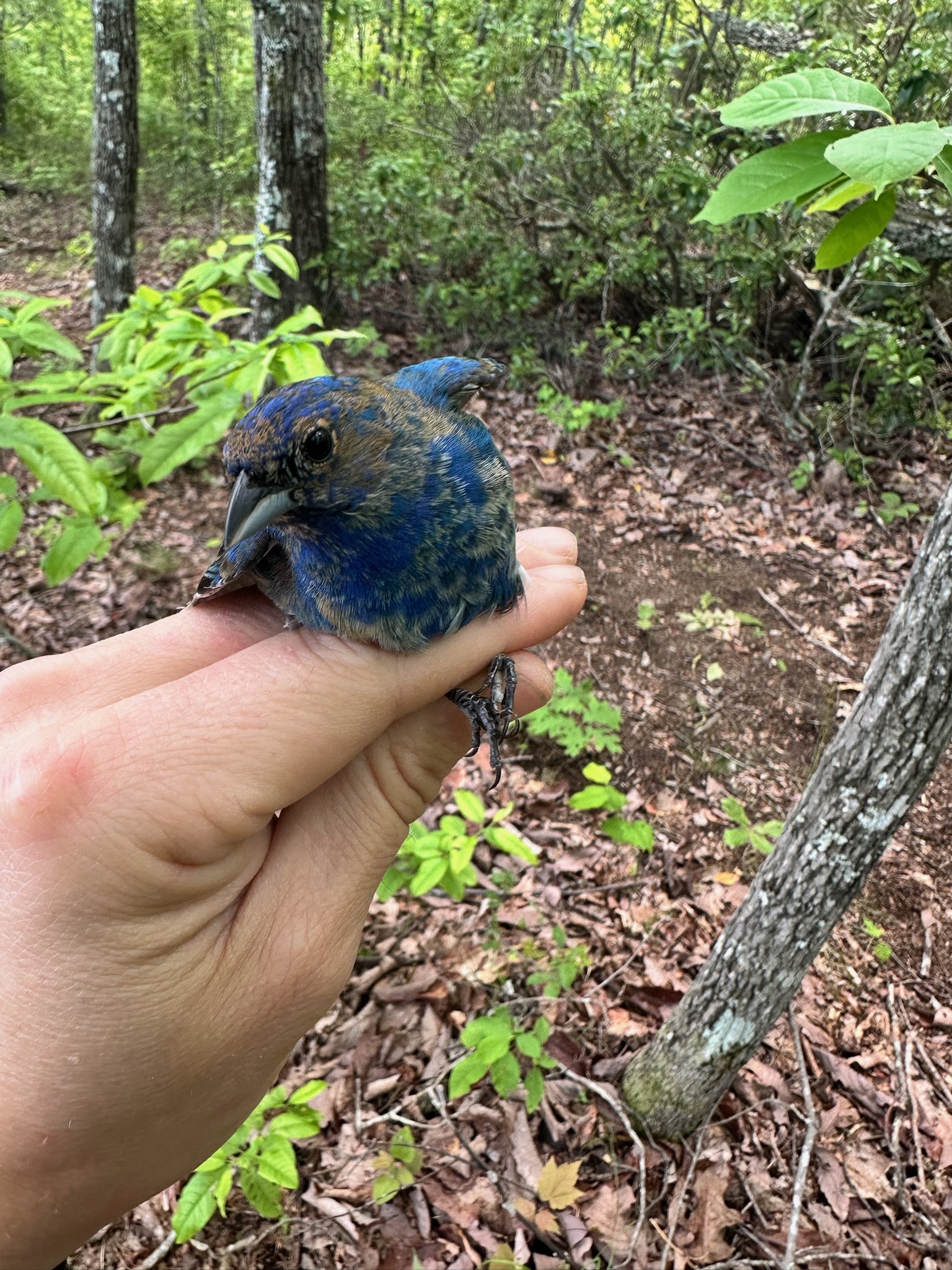
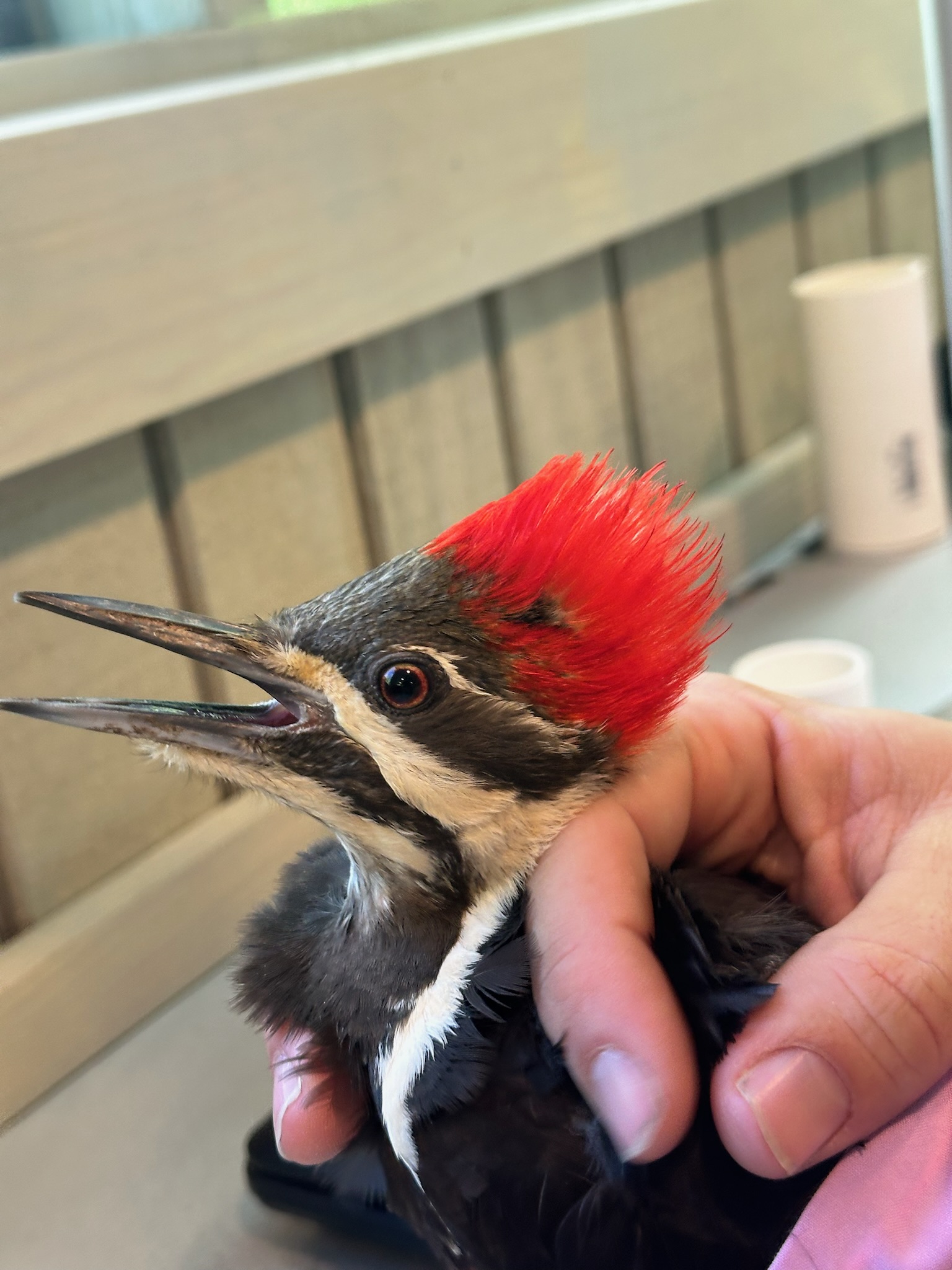
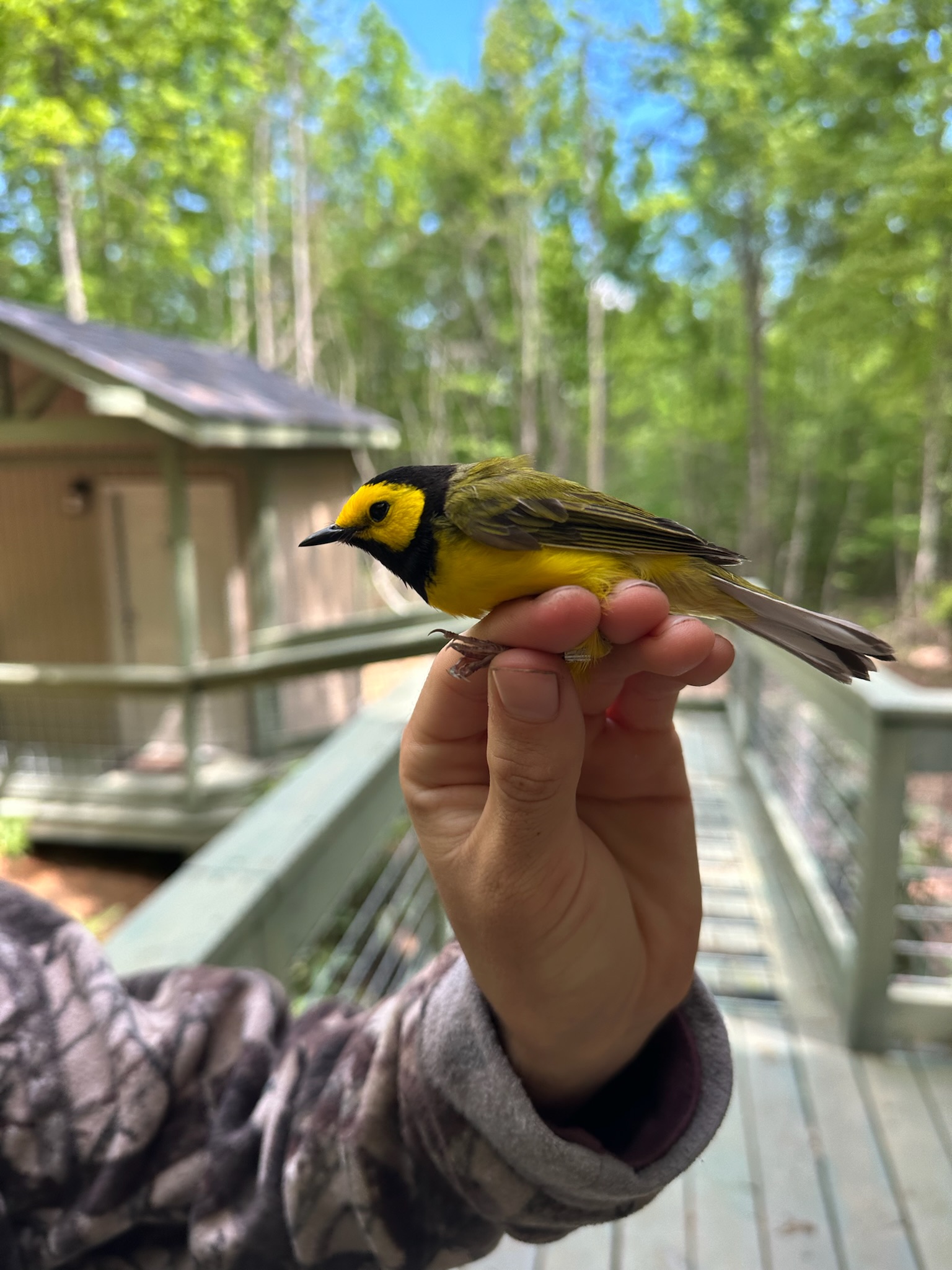
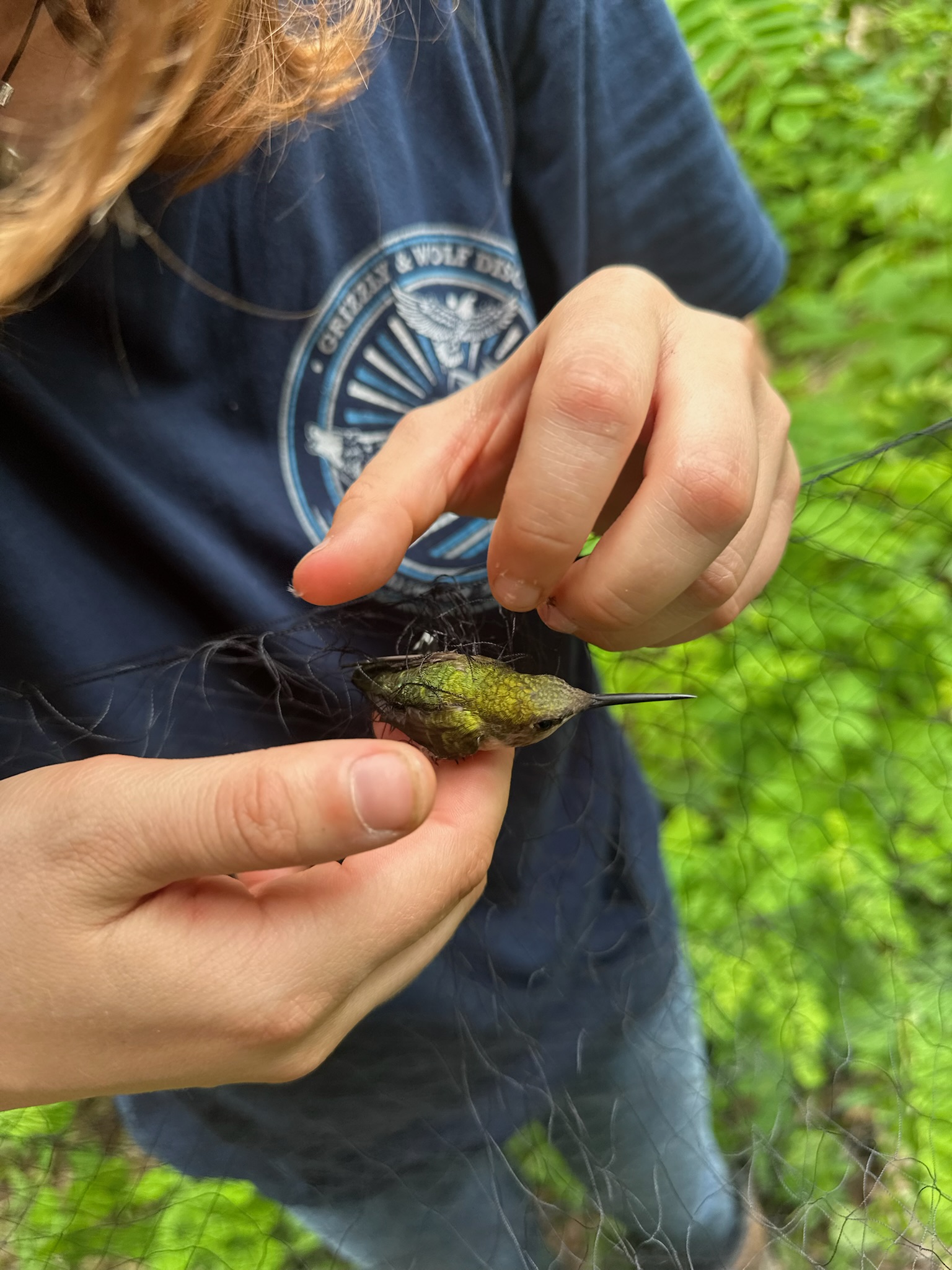
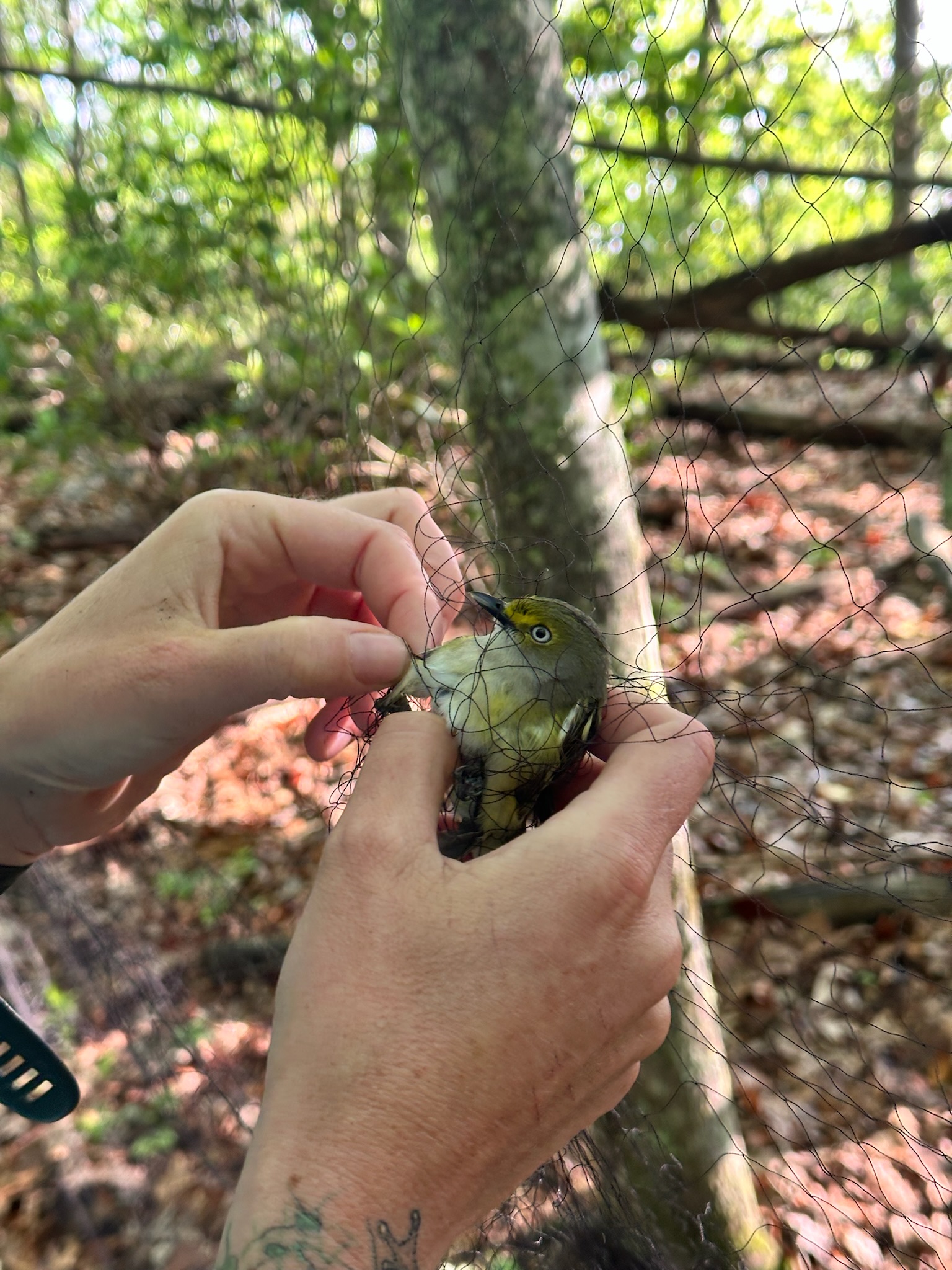
During the spring and fall when birds are migrating, we host bird banding sessions at our Bird Observatory in order to capture birds. We record data on these birds and place a small band on their leg to ID them.

02.

How are they doing?

Once a bird is banded, we want to know how they fare. Are they able to survive and breed the following year? We use a few different tools to track full lifecycle including geotags, barometric pressure sensors, satellite tags, and more.

03.

Where do they go?

Knowing exactly where birds spend their time helps us zero in on where they may need support. The Motus network we’re part of connects us with landowners and organizations around the world to protect bird habitat.

WHY BIRD RESEARCH

Canary in the cove

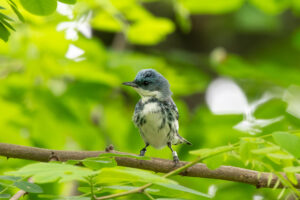
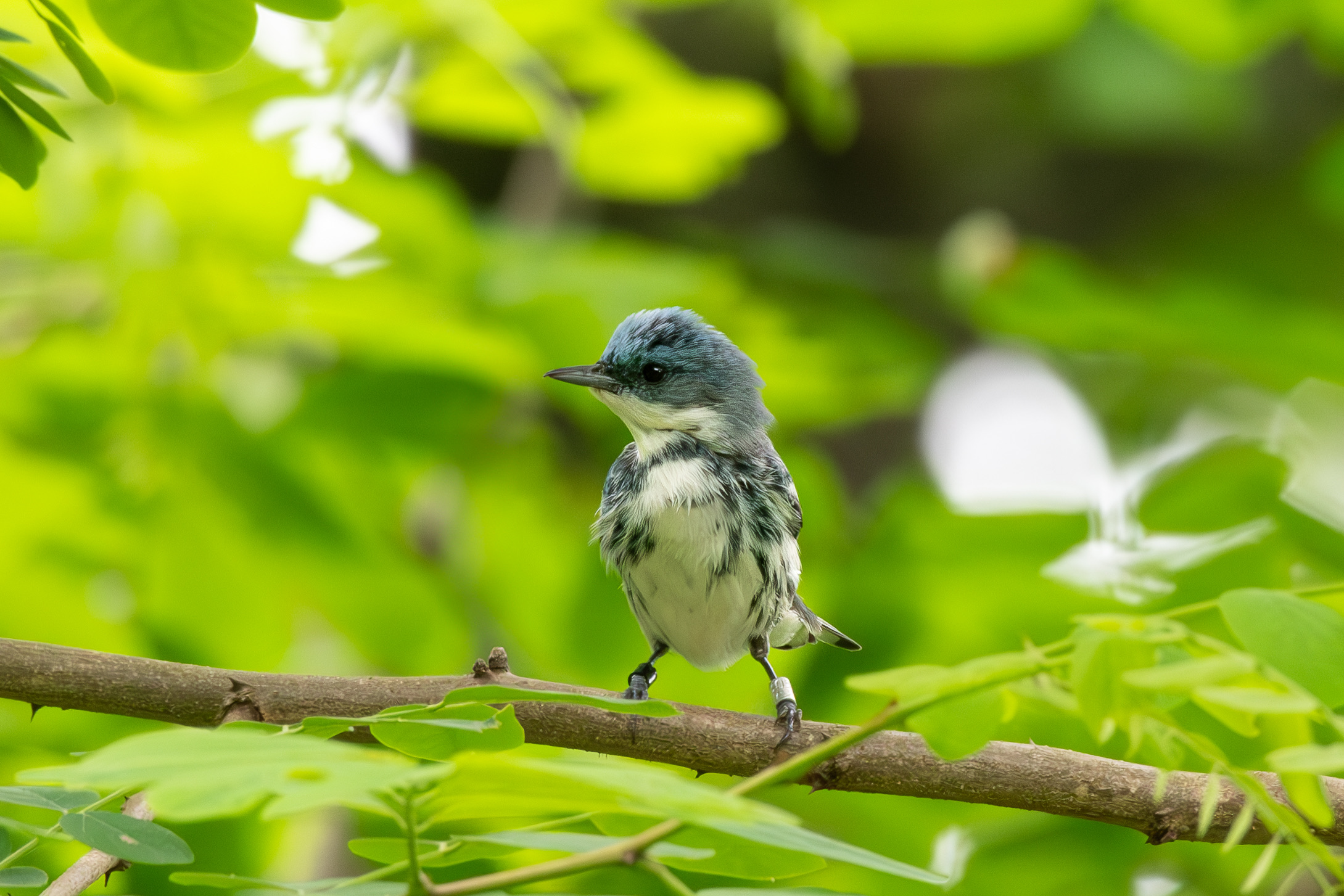
In Little Sequatchie Cove, we have thriving populations of some of America’s rarest songbirds including Cerulean Warblers, Wood Thrush, and more. These birds come back to the cove year after year—some even to the exact same tree!—to nest and raise their young.

As stewards of nearly 11,000 acres, we have a responsibility to listen to what our birds are telling us about the quality of their habitat. They tell us through their population numbers, their body fat percentages, their ability to successfully reproduce. With this information, we can make land management decisions that help our birds and other wildlife thrive in our cove.

RESEARCH lab

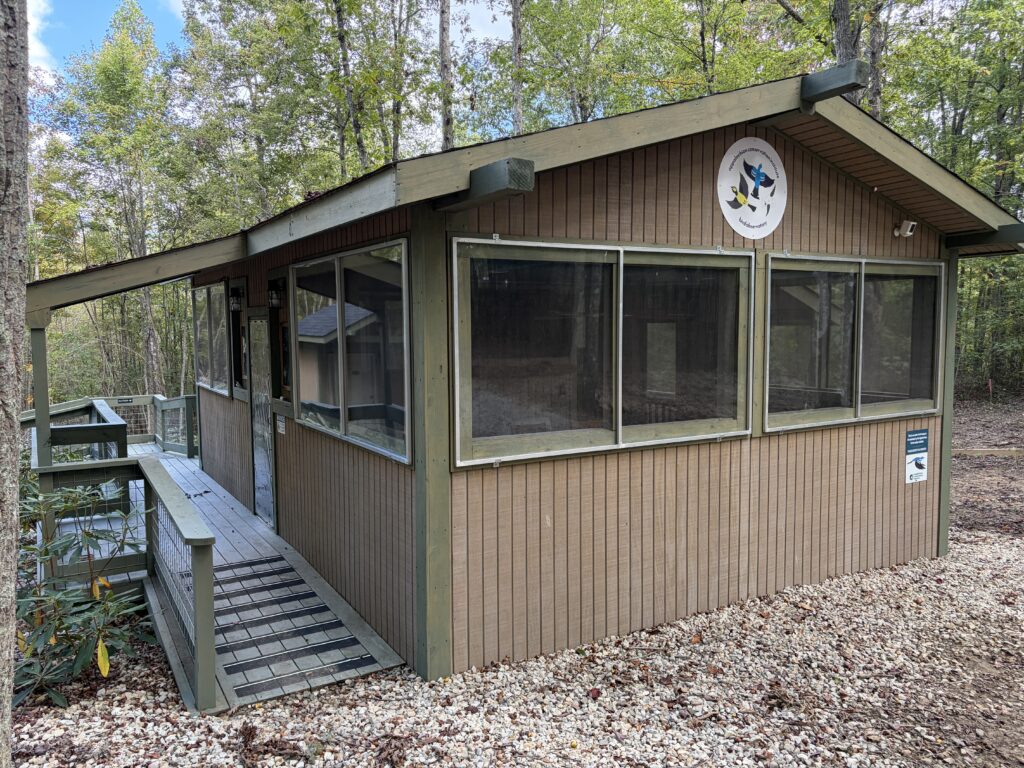
ACI Bird Observatory

Studying birds is a long-term commitment, so we built a remote, off-grid facility specially designed to support our bird research for decades to come. The lab is fully equipped with solar-powered electricity, heat, satellite internet, and full toilet facilities.

The ACI Bird Observatory serves as an important outreach tool for us to engage the community in hands-on bird research. In addition to public bird banding sessions, we also regularly collaborate with local universities to get their students outside and in the field. The lab houses a small study with a growing reference library of ornithological texts.

Research is for the birds (literally)

Birds are among the most sensitive indicators of ecosystem health. Changes in their numbers or health tell us when forests are stressed or when land management decisions are working. Bird research isn’t a side project. It’s how we listen to the land.

MOTUS

Where do our birds go?

Across the globe, there are 2,000+ Motus towers tracking birds outfitted with tiny nanotags. Anytime a tagged bird passes within ~5 km of a tower, their movement is recorded and shared with bird researchers all over the world.

By collaboratively collecting and sharing data on bird migration, researchers everywhere can better understand the lifecycles of our birds. Researchers, conservationists, and landowners use the data collected by these towers to make management decisions that protect songbird habitat.

OUR BIRDS

Some of 2025’s Visitors

How to reach us

Mailing address

P.O. Box 1239, Tracy City, TN 37387

Email

info@appalachianconservation.org

Stay up to date

Get email updates about our conservation work in the Little Sequatchie Cove. We’ll share news on our research, volunteer opportunities, permits, and more.

Scroll to Top