
Land restoration
Since November 2023, our team has been on the ground restoring nearly 11,000 acres. Here’s what that work looks like.
Burn the forest to heal it
Fire is one of the oldest land management tools. For thousands of years, indigenous people used fire to clear underbrush, open pastures, and increase the fertility of the forest. At ACI, we’re continuing this practice in order to reduce wildfire fuel and to reestablish fire-tolerant, native plants.
Our field team has recently been trained as Wildland Firefighters and we’ll be conducting prescribed burns on a rolling schedule.
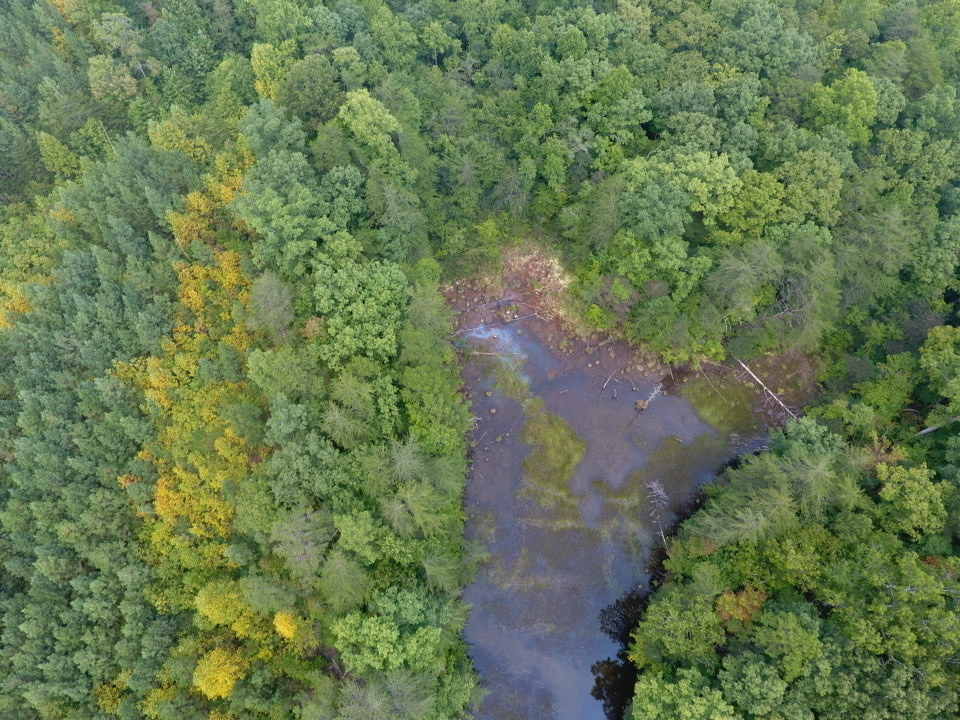
Bring back the bogs
Wetlands such as bogs, marshes, swamps, and fens are small but key parts of the forest. They act like natural sponges by soaking up water during storms and then slowly releasing it to rehydrate the forest during drought.
Wetlands also filter and clean our water, store carbon in the form of peat moss, and provide vital habitat for rare plants and amphibians. When we protect and restore wetlands, we’re helping the whole forest stay healthy, balanced, and full of life.
Keep the canopy alive
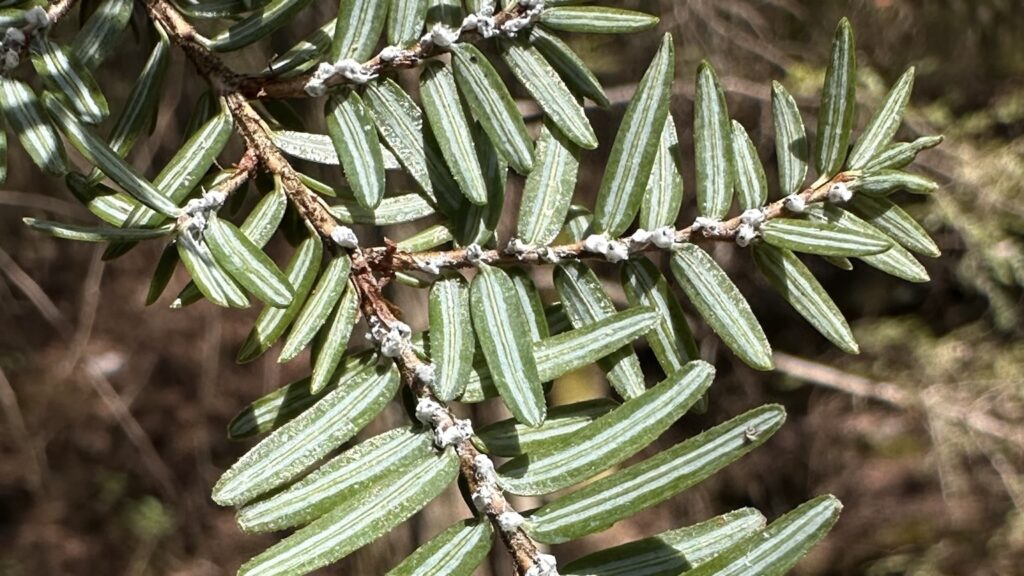
The cove’s hemlock trees are fighting for survival against an invasive insect called the Hemlock Woolly Adelgid (HWA). Without treatment, these slow-growing trees could disappear within a decade.
Hemlocks make up a large part of the forest canopy in southeastern forests, shading streams and keeping the water cool for fish and other wildlife. That’s why we’ve teamed up with local foresters to protect and treat our hemlocks before it’s too late.
Give native species a leg up
Not everything growing on the South Cumberland Plateau belongs here.
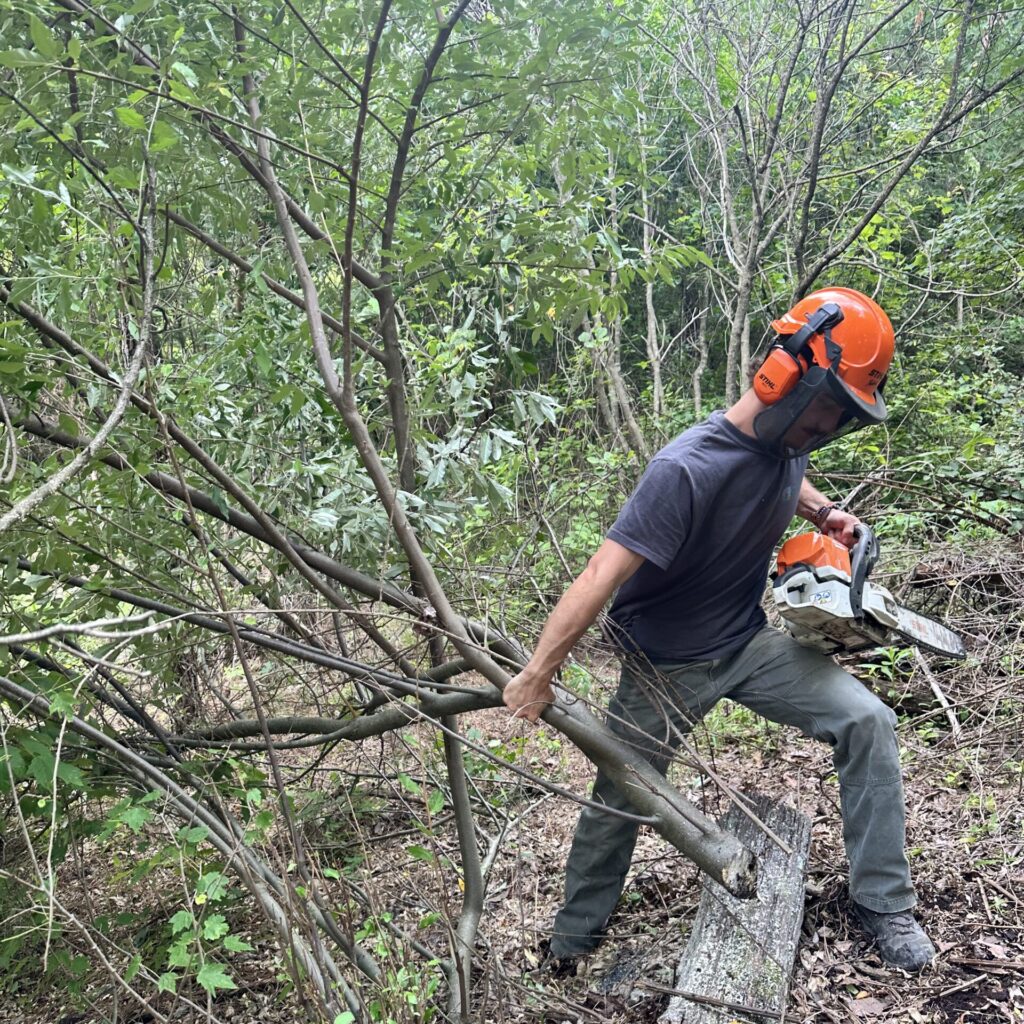
Exotic species—including Autumn Olive, Chinese Privet, Royal Paulownia, and Sericea Lespedeza—have taken root and are now outcompeting our native species. These invasive newcomers disrupt native ecosystems by dominating habitats and monopolizing resources.
At ACI, we actively manage these species using selective herbicide treatments (either foliar sprays or basal bark applications), prescribed fire, and forest thinning. Our approach gives native plants a chance to recover and restores balance back to the land.
How to reach us
Stay up to date
Get email updates about our conservation work in the Little Sequatchie Cove. We’ll share news on our research, volunteer opportunities, permits, and more.